Why an Emergency Dentist Is Essential After a Knocked-Out Tooth
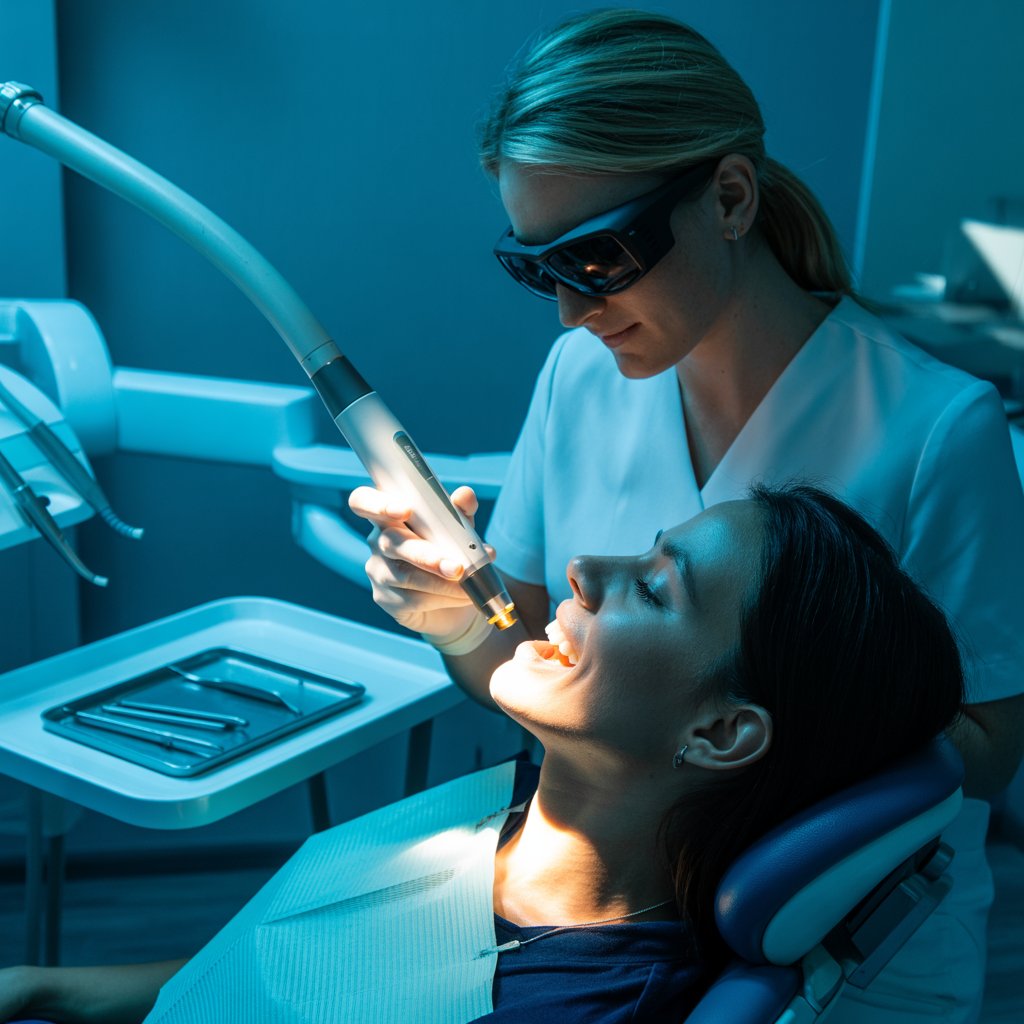
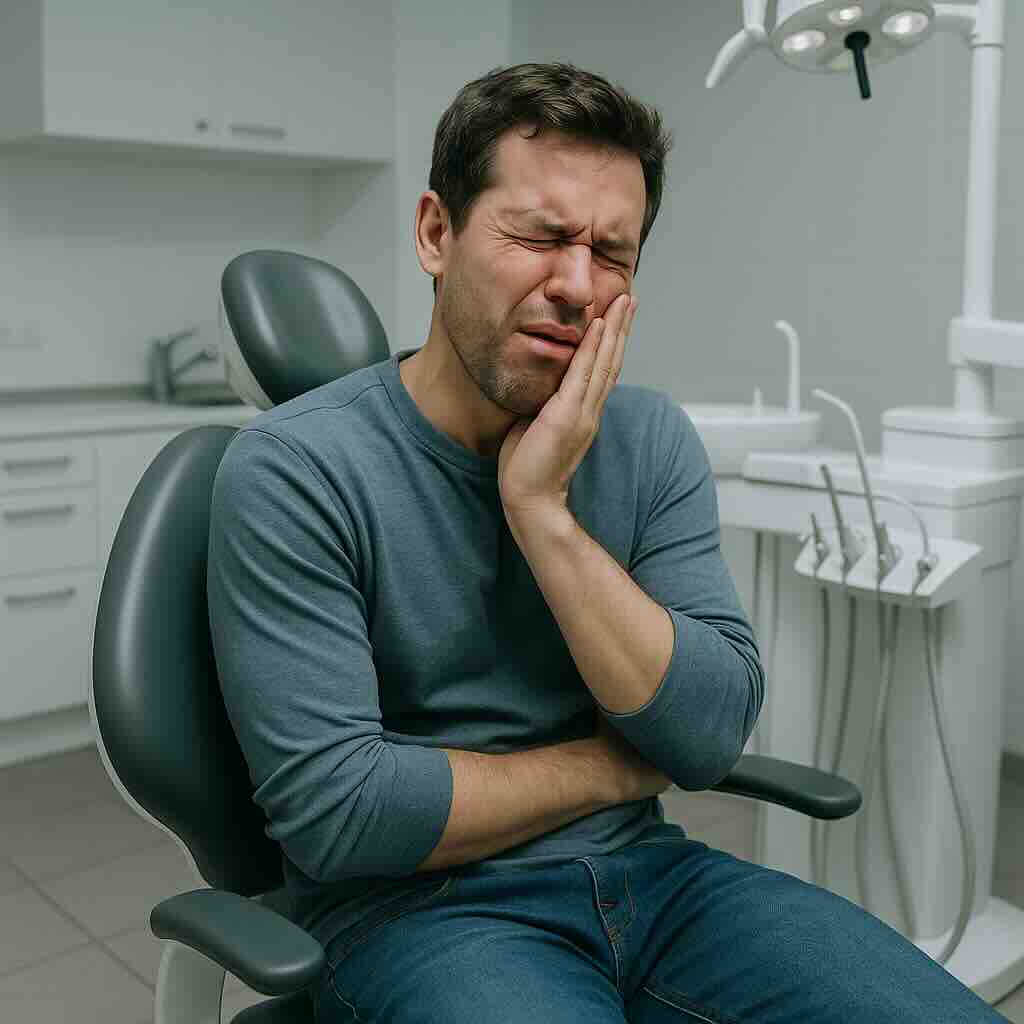
A knocked-out tooth changes the day in an instant. One minute someone is playing sport, walking down a wet stair, or leaning over a bicycle, and the next they are holding a tooth in their hand, stunned and often bleeding. In that moment, the difference between saving the tooth and losing it permanently often comes down to one thing: how quickly the person gets to an Emergency Dentist.
This is not a situation that can wait until the next routine appointment. A knocked-out tooth, called an avulsed tooth, is one of the few true dental emergencies where time has a direct effect on the outcome. The tooth itself may look intact, but the structures that keep it alive and anchored are delicate. Once the tooth leaves the socket, the clock starts ticking on the survival of the cells attached to its root and the health of the surrounding bone and gum tissue.
People sometimes assume a general medical clinic or emergency room will be enough. In some cases, especially when there is severe bleeding, facial trauma, or suspected concussion, medical attention is absolutely necessary. But if the goal is to save the tooth, an Emergency Dentist brings the skills, equipment, and judgment needed to give that tooth its best chance.
Why timing matters so much
The part most people never see is what sits on the surface of the tooth root. These are living periodontal ligament cells, tiny but crucial. They help the tooth reattach to the socket after it is placed back in position. If those cells dry out or are damaged by rough handling, the chances of long-term success fall sharply.
That is why dental teams treat a knocked-out tooth differently from a chipped tooth or a lost filling. A crown that comes off is urgent. A full avulsion is time-sensitive in a far more literal way. If a permanent tooth is replanted within about 30 minutes, outcomes are generally much better. A tooth can still sometimes be saved after a longer interval, particularly if it has been stored properly, but every passing minute makes treatment more complicated and the prognosis less predictable.
The urgency is not just about the tooth itself. The socket can fill with blood clot, debris, or displaced tissue. Adjacent teeth may also be cracked, loosened, or pushed out of alignment. The bite may change. The jawbone can be bruised or fractured. An Emergency Dentist does not just put the tooth back and hope for the best. They assess the entire injury.
The first few minutes can change everything
When a permanent tooth is knocked out, calm handling matters almost as much as speed. Panic leads people to scrub the root, wrap the tooth in tissue, or leave it on a dry counter while they search online for advice. Those well-meant actions can reduce the chance of successful reimplantation.
The most useful first-aid steps are simple:
- Pick up the tooth by the crown, not the root.
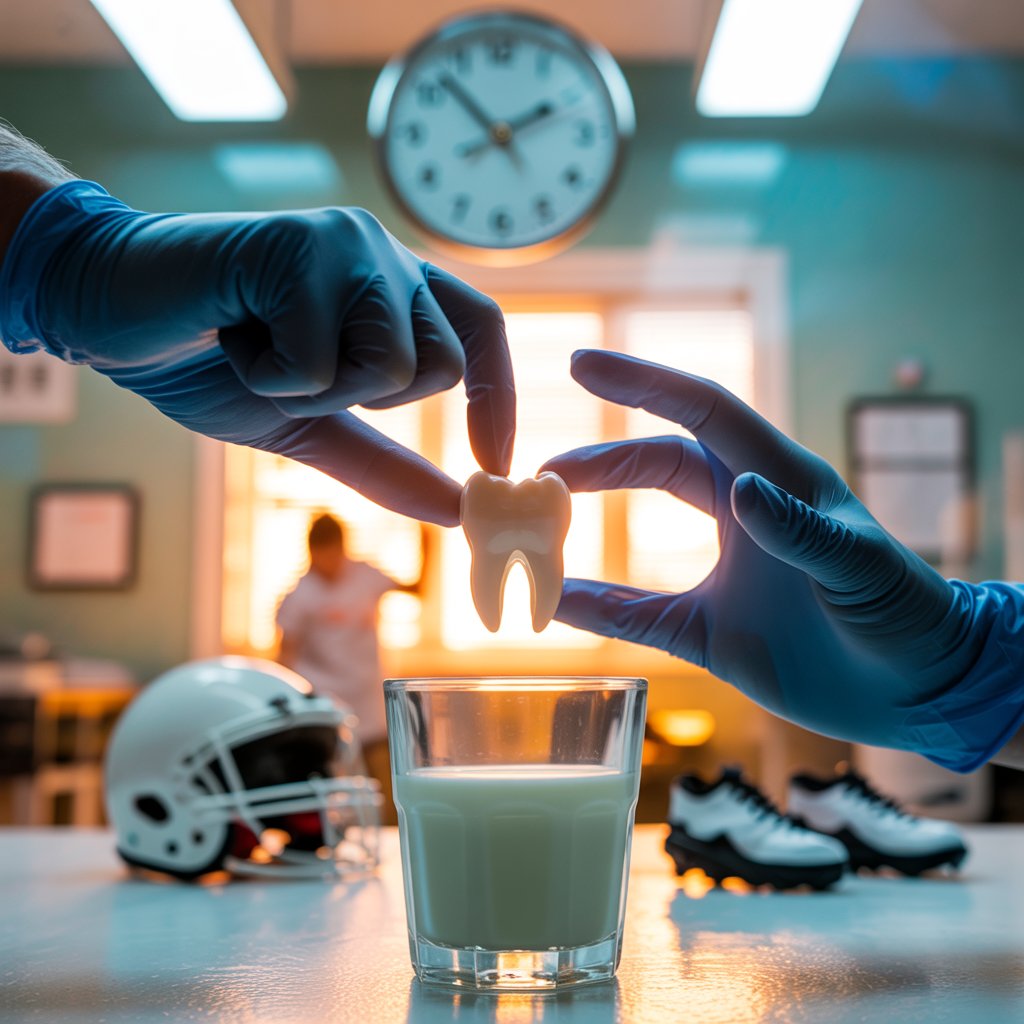
- If it is dirty, rinse it briefly with milk or saline, or with clean water for only a few seconds.
- If possible, place it gently back into the socket and have the person bite on clean gauze.
- If reimplantation is not possible, keep the tooth moist in milk, saline, or inside the cheek if the person is old enough to do so safely.
- Get to an Emergency Dentist immediately.
That short sequence matters because it protects the root surface and preserves moisture. Dry storage is the enemy. A tooth wrapped in a napkin may look protected, but biologically it is being put at a disadvantage.
One detail causes understandable confusion: baby teeth are different. If a child loses a primary tooth from trauma, it is generally not reinserted because doing so can damage the developing permanent tooth underneath. This is another reason an Emergency Dentist is so important. Parents often do not know whether the lost tooth is primary or permanent, especially around ages six to twelve when both may be present.
What an Emergency Dentist does that others may not
A knocked-out tooth is never just a matter of putting it back where it came from. The dentist must judge whether reimplantation is possible, whether the tooth is intact enough, whether the socket is suitable, and whether there are hidden injuries that could change the treatment plan.
An Emergency Dentist typically addresses several issues at once:
- Control of bleeding and pain, including local anesthesia when needed.
- Careful examination of the tooth, socket, gums, and nearby teeth, often with dental X-rays.
- Reimplantation of the tooth if appropriate, followed by precise positioning and stabilization with a splint.
- Assessment of tetanus status, contamination risk, and the need for antibiotics in selected cases.
- Planning for follow-up care, including pulp testing, possible root canal treatment, and monitoring for complications.
This is where experience matters. Reimplanting a tooth is not simply a mechanical act. The dentist must avoid further trauma to the socket, remove obvious debris without damaging tissues, confirm orientation, and ensure the tooth is seated correctly. If it goes back in too high or too low, the bite can be affected, and the splint may not hold the tooth in a healthy position.
Stabilization is another point the public rarely considers. A replanted tooth usually needs a flexible splint for a short period, often around two weeks, though associated fractures can change the timeline. A splint that is too rigid can create its own problems. A splint that is poorly bonded can fail. This is detailed work, and it is one reason specialist-level emergency dental care makes such a difference.
Not every knocked-out tooth is equally salvageable
There is a natural tendency to ask, “Can it be saved?” right away, and that is a fair question. The honest answer is, sometimes yes, sometimes no, and often it depends on details that are invisible to the patient.
A permanent tooth has a much better chance if the person is seen quickly, the root has not dried out, and the root surface has not been scraped or scrubbed. The stage of root development also matters. Younger permanent teeth with open apices can, in some cases, have a different healing pattern than fully mature teeth. The amount of contamination matters too. A tooth knocked out onto a clean indoor floor is different from one driven into dirt on a rugby pitch or pavement after a cycling accident.
The dentist also looks at whether the tooth itself has fractured, whether there is a break in the socket wall, and whether the injury has affected the lips, cheeks, or jaw. If the surrounding structures are too damaged, the treatment plan may shift from immediate reimplantation to managing trauma and discussing replacement options later.
That does not mean there is no point in trying if the tooth has been out for longer than an hour. It means expectations need to be realistic. A delayed reimplantation may still be worthwhile for esthetics, speech, temporary function, and preservation of bone contour, even if the long-term prognosis is guarded. In younger patients especially, preserving the ridge can have benefits for future treatment.
The risks of waiting until tomorrow
People delay emergency dental care for ordinary reasons. It is late. The bleeding slows down. Pain seems manageable. The tooth does not look clean. A parent hopes the child will settle overnight. Someone worries about cost. Unfortunately, a wait-and-see approach often turns a salvageable emergency into a permanent loss.
By the next day, the socket may be less receptive to reimplantation, the root surface cells may be nonviable, and the chance of complications such as root resorption rises. The surrounding gum tissue may swell, making repositioning harder. If the tooth is left dry for too long, even a technically successful reimplantation can fail over time because the Emergency Dentist body begins to replace the root with bone or resorb it altogether.
There is also the matter of pain and infection risk. Oral wounds are exposed to bacteria constantly. A dentist can clean the area properly, check for embedded fragments, and decide whether medications are necessary. A patient trying to manage this at home has none of those safeguards.
I have seen cases where people did nearly everything right except the timing. They stored the tooth in milk, handled it carefully, and arrived many hours later hoping for the best. Sometimes the tooth could still be replanted, but the conversation had to include a frank discussion about limited longevity. Early treatment does not guarantee success, but delay often closes doors that cannot be reopened.
What happens during the appointment
A good emergency visit is usually more methodical than patients expect. After the immediate shock of the injury, there is relief in seeing a clinician work through a clear sequence. The dentist starts by asking when the injury happened, how the tooth was stored, whether there was any loss of consciousness, and whether the patient has other medical concerns. That history shapes the treatment.
The clinical exam includes more than the missing tooth site. The dentist checks lip lacerations, gum tears, occlusion, neighboring teeth, and jaw movement. It is common for a patient to focus entirely on the avulsed tooth and not notice a second tooth that has been intruded, subluxed, or fractured. X-rays help identify these less obvious injuries and confirm there are no retained fragments.
If the tooth is suitable for reimplantation, the dentist gently irrigates the area, places the tooth back into the socket, and secures it with a splint. If the patient is anxious, numb, or shaking, reassurance is as important as technique. Trauma care is clinical, but it is also personal. A child who has just lost a front tooth after a fall is not only in pain. They may be frightened, embarrassed, and worried about how they look. Skilled emergency clinicians know how to treat the injury without losing sight of the person.
Aftercare instructions are equally important. The patient is usually advised to follow a soft diet, avoid biting directly on the tooth, maintain careful oral hygiene, and return for review. Depending on the maturity of the tooth and signs of pulpal health, a root canal may be recommended within a specific time frame. Follow-up is not optional. Trauma can evolve.
The complications an Emergency Dentist is trying to prevent
Saving the tooth on day one is only part of the story. A replanted tooth must be monitored because trauma can trigger delayed problems. The most discussed complication is root resorption, where the body begins breaking down the root structure. There are different forms of resorption, and some are more aggressive than others.
Another concern is ankylosis, where the tooth fuses to the bone instead of re-establishing a normal ligament attachment. In adults, that may create a functional tooth for a time but lead to long-term issues. In growing children, ankylosis can be especially problematic because the tooth may stop moving with the rest of the developing dentition, eventually appearing shorter than adjacent teeth.
The pulp is another variable. In many mature permanent teeth that have been knocked out and replanted, root canal treatment is needed because the blood supply to the pulp has been disrupted. In younger teeth with incomplete root formation, there may be a small chance of revascularization, and decisions need to be individualized. These are not details most patients could reasonably navigate alone. They are exactly why emergency dental intervention should lead into structured follow-up care.
Children, sports, and the cases that happen most often
Knocked-out teeth are especially common in children, teenagers, and active adults. Contact sports are an obvious cause, but many injuries happen in ordinary settings: school playgrounds, scooters, slippery bathroom floors, kitchen steps, or rough play at home. Weekends and evenings are classic times for these calls.
For parents, one of the hardest parts is the uncertainty. Is it a baby tooth or a permanent one? Should they try to put it back in? Is bleeding from the lip more serious than the missing tooth? That uncertainty is exactly why emergency access matters. A dental trauma case can become much easier to manage when a parent hears clear instructions from an Emergency Dentist over the phone and has somewhere to go immediately.
Athletes face another concern, which is return to play. Even when the tooth is successfully replanted, the patient may need to pause contact sports and later use a properly fitted mouthguard. A boil-and-bite guard is better than nothing, but custom protection is a different standard. After one dental avulsion, prevention tends to stop feeling optional.
Cost, urgency, and the real value of same-day care
It is understandable that people think about cost, especially if the injury happens outside normal office hours. Emergency dental visits can be more expensive than scheduled care, and the follow-up may include splint removal, imaging, endodontic treatment, or later restorative work. Even so, delaying treatment often becomes more expensive, not less.
If the tooth cannot be saved, replacement options such as bridges, implants, or removable prosthetics usually involve higher long-term costs, more appointments, and more complex planning. There is also the emotional cost. Losing a front tooth affects confidence, speech, and daily comfort in ways that are difficult to appreciate until it happens.
An Emergency Dentist offers something beyond convenience. They offer a chance to preserve natural structure. In dentistry, preserving the patient’s own tooth, when possible, is usually the most conservative and biologically favorable path. Once a natural tooth is gone, every replacement is a substitute, some excellent, some very good, but still a substitute.
When medical emergency care comes first
There are times when a knocked-out tooth is only one part of a larger injury. If the patient has uncontrolled bleeding, difficulty breathing, severe facial Emergency Dentist Vitality Dental swelling, suspected jaw fracture, confusion, vomiting, loss of consciousness, or neck injury, emergency medical care takes priority. The same is true if the tooth may have been inhaled. Dental treatment can follow once the patient is medically stable.
That said, the two systems should work together, not compete. In ideal situations, a medically stable patient with a knocked-out tooth gets urgent dental care on the same day. Hospitals are very good at assessing major trauma, but they may not have the dental materials or trauma protocols needed for tooth reimplantation and splinting. People are often surprised to learn that an emergency room may discharge them with pain relief and advice to see a dentist, even when the tooth itself could still have been managed best in a dental setting.
What people remember afterward
Years after a trauma, patients rarely remember the exact wording of the advice sheet. They remember whether someone saw them quickly, whether the clinician seemed confident, and whether the process felt controlled in a chaotic moment. That matters. Dental trauma is one of the clearest examples of how emergency access changes outcomes.
A knocked-out tooth is not just a cosmetic mishap. It is an injury with a narrow treatment window, biological complexity, and consequences that can last for years. An Emergency Dentist brings the practical combination of speed, diagnosis, technical skill, and follow-up planning that this situation demands. When a tooth is lying in a palm instead of in its socket, waiting is rarely neutral. It is usually a decision against the tooth.
The best response is immediate action, careful handling, and prompt professional care. That is why an Emergency Dentist is not simply helpful after a knocked-out tooth. In many cases, they are the reason the tooth has any realistic chance of staying part of the smile at all.
Vitality Dental
1220 Coit Rd # 106, Plano, TX 75075, United States
+1 972-645-4100
FAQ About Emergency Dentist
What counts as a dental emergency?
A knocked-out tooth, significant mouth injury, severe tooth pain, or painful swelling warrants prompt evaluation. Call your dentist and describe your symptoms so the office can advise you on how urgently you need care.
What should I do if I knock out a permanent tooth?
Call a dentist immediately. Handle the tooth by the crown, avoid touching the root, and keep it moist. If you cannot put it back into the socket easily, transport it in milk or a tooth-preservation solution. Bring it with you to the appointment.
Should I go to the emergency room for a dental emergency?
Seek emergency medical care right away if you have trouble breathing or swallowing, uncontrolled bleeding, or a serious facial injury. For an isolated tooth injury or toothache without those symptoms, call a dentist promptly for guidance.