Emergency Dentist Advice for Adults With Sudden Dental Trauma
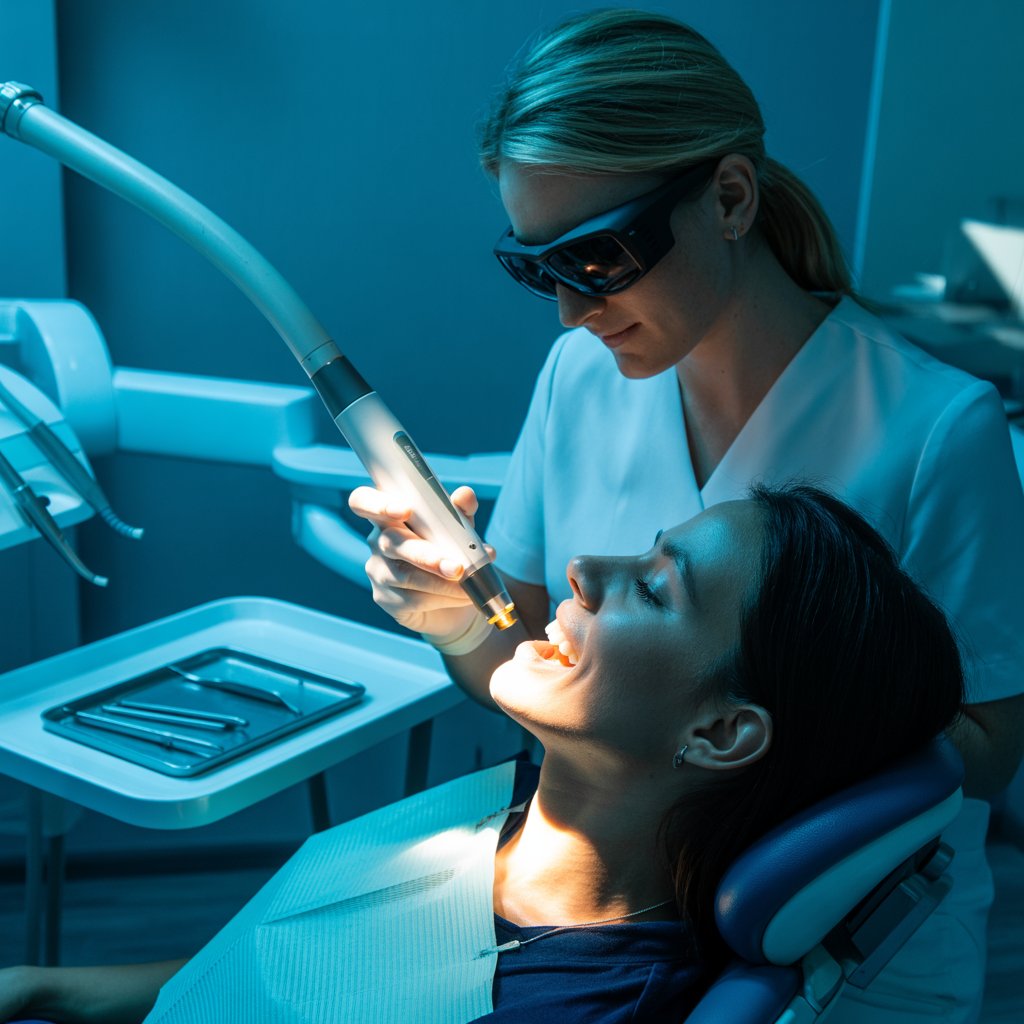
Sudden dental trauma has a way of turning an ordinary day into a frantic one. A fall on wet pavement, an elbow during a weekend basketball game, a cracked tooth on a popcorn kernel, a car door caught at the wrong angle, all of it happens fast. What follows is usually a mix of pain, blood, swelling, and uncertainty. Many adults are not sure whether they need an Emergency Dentist, an emergency room, or simply a cold compress and a call the next morning. That uncertainty can cost time, and with dental injuries, time often matters.
The first thing I tell adults dealing with a dental injury is simple: stay calm enough to make good decisions. Panic leads people to rinse aggressively, throw away broken tooth fragments, take the wrong medication, or wait too long because they hope the pain will fade. Some injuries are dramatic but manageable. Others look minor at first and turn into root damage, infection, or tooth loss because treatment was delayed.
Dental trauma is different from a routine toothache. It usually involves force, and force affects more than enamel. The visible chip may be the smallest part of the problem. The tooth’s pulp can be bruised, the root can crack, the supporting ligament can tear, and the surrounding bone or soft tissue can be injured too. That is why professional evaluation matters even when the damage seems limited.
What counts as a dental emergency
Not every dental injury is life threatening, but many deserve same-day attention. A knocked-out adult tooth is an obvious emergency. So is a tooth pushed out of position, a deep fracture with severe pain, uncontrolled bleeding from the mouth, or swelling that interferes with swallowing or breathing. Less obvious cases also merit prompt care, especially when a tooth has become suddenly loose after impact, the bite feels wrong, or cold air causes sharp pain after a crack.
Adults often try to tough out mouth injuries because they are busy, embarrassed, or assuming the damage is cosmetic. That is a mistake I have seen repeatedly. A patient may walk in saying, “It’s just a small corner chip,” only to discover the crack runs below the gumline. Another may ignore a sore tooth after a bump to the face, then show up ten days later with discoloration that signals the nerve is dying. Trauma changes the biology of a tooth, not just its appearance.
An Emergency Dentist is trained to sort out those layers quickly. The visit is not only about stopping pain. It is about checking tooth vitality, mobility, bite alignment, gum injury, and sometimes hidden fractures on imaging. In many cases, early stabilization can save a tooth that would otherwise be lost.
The first half hour matters most
The best immediate response is practical, not dramatic. If you can think clearly in the first thirty minutes, you improve the odds of a better outcome. This is especially true if a permanent tooth has been knocked out or displaced.
- Control bleeding by applying gentle pressure with clean gauze or a clean cloth.
- Rinse the mouth lightly with water if there is debris, but do not scrub injured tissue or teeth.
- Use a cold compress on the outside of the face in short intervals to reduce swelling.
- Save any tooth fragments or a whole knocked-out tooth, handling it by the crown, not the root.
- Call an Emergency Dentist right away and describe exactly what happened, when it happened, and whether the tooth is permanent.
Those steps sound basic, but the details matter. Gentle pressure helps. Repeated spitting, forceful rinsing, and poking at the area do not. If you find a broken piece of tooth, bring it. Dentists can sometimes bond a fragment back into place when the conditions are right. If a whole adult tooth has come out, pick it up only by the visible chewing part. The root surface contains living cells that are easily damaged.
If the tooth is visibly dirty, rinse it for a few seconds with saline or milk if you have it, or clean water if that is all available. Do not scrub it, dry it with a tissue, or wrap it in paper. In some cases, if the person is alert and able, the tooth can be gently placed back into the socket immediately. That should only be attempted with a permanent Emergency Dentist tooth, never a baby tooth, and only if the tooth is clearly intact and can be oriented correctly. If that sounds uncertain, do not force it. Place the tooth in cold milk or a tooth preservation solution if one is available, and get to the dentist quickly. Plain water is not ideal for storage, but it is better than letting the tooth dry out on a countertop or in a pocket.
A useful real-world benchmark is this: the chance of saving a knocked-out adult tooth is highest when reimplantation happens quickly, often within about 30 minutes, though teeth can sometimes still be saved after longer periods depending on storage conditions and the injury pattern. The longer the root dries, the worse the prognosis.
Knocked-out, loose, or moved teeth need different responses
People often use the same words for different injuries, and that creates confusion. A knocked-out tooth is completely out of the mouth. A loose tooth is still in the socket but mobile. A displaced tooth has been shoved inward, outward, or sideways. These are not interchangeable, and treatment differs.
A knocked-out permanent tooth is the most time-sensitive situation. The priority is preservation of the root surface and immediate professional care. A loose tooth can sometimes be splinted and saved if seen promptly. A displaced tooth may need careful repositioning and stabilization. I have seen adults delay because the tooth “was still there,” without realizing that a tooth pushed even slightly out of place can develop lasting pulp damage if it is not addressed.
One common example is a front tooth that takes a direct hit during a fall. The person may notice the tooth looks a little longer than the one next to it, or the bite feels strange. There may be surprisingly little blood. That does not make it minor. It means the supporting structures absorbed the force. These are the injuries where same-day assessment is especially important.
Cracks are often worse than chips
A small enamel chip can be annoyingly sharp but straightforward to repair. A crack that runs deeper is another story. Adults often crack teeth on hard foods, but trauma can create more complex fracture patterns than chewing accidents. A hit to the mouth can split a tooth in a way that is not obvious until the person bites down or drinks something cold.
The practical difference is symptoms. A simple chip may have rough edges and mild sensitivity, but pain is often limited. A deeper crack may produce sharp pain when biting, lingering sensitivity, gum tenderness near one root, or a visible line that extends toward the gum. Teeth with prior fillings or root canals can fracture in ways that hide under the surface. Sometimes the crown looks only mildly damaged while the root is compromised.
This is where judgment matters. If the tooth hurts with pressure, feels unstable, or has broken enough to expose a yellow or pink inner layer, do not wait. Yellow usually suggests dentin exposure. Pink or red can indicate pulp involvement. Those injuries are far more urgent than a superficial corner chip. Early coverage with a temporary protective material at the dental office can reduce pain and contamination while the dentist decides whether bonding, a crown, root canal treatment, or extraction is most appropriate.
Soft tissue injuries can hide debris
Cuts to the lips, tongue, cheeks, and gums tend to bleed heavily because the mouth has a rich blood supply. That can make an injury look more alarming than it is, but these wounds still deserve respect. Teeth fragments, dirt, or bits of gravel can embed in soft tissue, especially after a fall outdoors or a sports injury. If debris remains in the lip or cheek, it can lead to infection or long-term irritation.
A lip that swells rapidly after impact may also have been trapped against the teeth. I have seen patients with what they thought was “just a split lip,” only to find a matching fracture line on a front tooth and a shard lodged in the lip. Imaging is sometimes needed for that reason. If a wound is gaping, will not stop bleeding after steady pressure, or extends through the lip border, it may need suturing. If there is facial numbness, difficulty opening the mouth, or suspicion of a jaw fracture, the level of urgency rises.
Pain control without making things worse
Adults in pain often reach for whatever is nearest in the medicine cabinet. That is understandable, but not every home remedy helps. Aspirin placed directly on the gum does not treat dental pain and can irritate or burn tissue. Very hot compresses can worsen swelling in the early phase. Alcohol as a rinse is another bad idea after trauma.
For most adults, over-the-counter pain relief can help while waiting for care, assuming there are no medical reasons to avoid those drugs. Ibuprofen is often useful for dental trauma because it addresses pain and inflammation. Acetaminophen is another common option, and some people can use both according to labeled directions or clinician advice. The right choice depends on the person’s medical history. Adults taking blood thinners, those with kidney disease, stomach ulcers, liver disease, pregnancy, or certain heart conditions should be cautious and follow their physician’s guidance.
Cold is usually your friend in the first day. A cold pack wrapped in cloth and applied to the outside of the face in short intervals can reduce swelling and dull pain. Soft foods help too. I usually advise avoiding biting with the injured area until a dentist has checked the tooth. Even a partly cracked tooth that seems stable can split further with one careless bite on a sandwich crust or granola bar.
When the emergency room is the right place
An Emergency Dentist is often the best first call for isolated tooth injuries, but not every mouth injury belongs in a dental chair first. Some signs point to a broader medical emergency.
- Go to the emergency room immediately for trouble breathing, trouble swallowing, or rapidly spreading swelling.
- Seek urgent medical care for heavy bleeding that does not slow with direct pressure.
- Head to the ER for suspected jaw fracture, loss of consciousness, severe facial trauma, or vomiting after the injury.
- Get medical evaluation for deep facial cuts, especially if they involve the lip border or there may be foreign material in the wound.
- Use emergency services if there are signs of concussion, confusion, severe headache, or neck injury.
This distinction matters because adults sometimes waste critical time calling multiple dental offices when the real issue is airway risk, facial fracture, or head trauma. If the injury involves more than the teeth, especially after a fall, assault, vehicle collision, or sports impact with dizziness, treat the whole person first.
What an Emergency Dentist will look for
A good emergency dental visit is usually more thorough than patients expect. The dentist will want the story of the injury, including the exact time it happened, the force involved, whether there was loss of consciousness, and whether the tooth has had previous fillings, crowns, or root canal treatment. That history often predicts what is coming.
The examination typically includes checking mobility, percussion tenderness, response to temperature or vitality testing, gum lacerations, and whether the bite has shifted. Dental imaging may show root fractures, bone involvement, or changes around the ligament space. Some findings appear immediately. Others evolve over days or weeks. That is why follow-up is not optional after significant trauma, even if the tooth is stabilized the same day.
Adults are often surprised to hear that a traumatized tooth can initially test “normal” and later fail. Nerves can be stunned before they die. Color changes may also lag behind the injury. A tooth that darkens over time after an impact needs review, even if pain has subsided.
The treatment may be simple, or it may unfold in stages
People naturally want a one-visit fix. Sometimes that is possible. A small chip can be smoothed or bonded in one appointment. A displaced tooth may be repositioned and splinted. A laceration may be cleaned and closed. But trauma cases often evolve.
A front tooth broken near the nerve may need a protective dressing first, then a root canal if symptoms or tests show pulp damage, followed later by a crown or veneer for strength and appearance. A loose tooth may require splinting for a period, soft diet instructions, and repeated checks to monitor healing. A cracked molar may need a crown, but if the crack extends too far below the gumline, the realistic options may narrow quickly.
There are trade-offs in every plan. Saving a badly injured tooth is often worth attempting, especially in the front of the mouth, but adults should understand that long-term success depends on the extent of damage, timing of care, oral hygiene, bite forces, smoking status, and follow-up. The goal in emergency treatment is often to preserve options, reduce pain, prevent infection, and stabilize the situation before definitive care.
What to expect in the next few days
The first 24 to 72 hours after trauma are rarely neat. Swelling often peaks later than people expect. Bruising can spread. The tooth may feel high when biting if the ligament is inflamed. Soft tissues can look worse before they look better. None of that automatically means the treatment failed.
What matters is the overall pattern. Worsening pain, increasing swelling, foul taste, fever, pus, or inability to bite comfortably on a previously stable tooth are all reasons to call back. So is a change in tooth color, new looseness, or numbness that does not resolve. Patients sometimes assume that if pain decreases, the problem is over. That is not always true. A nerve can die quietly. Follow-up visits are how dentists catch those changes before they become abscesses.
Diet and habits matter here. I usually tell adults to eat softer foods for several days or longer if the dentist advises it, avoid chewing on the injured side, skip very hot or very cold foods if sensitivity is intense, and avoid smoking if possible because it compromises healing. Good oral hygiene still matters, but it should be gentle around sutures or tender gums.
Common mistakes adults make after dental trauma
The most expensive mistakes are often the simple ones. Waiting until Monday after a Friday injury is a classic example. Another is assuming a crown alone protects a tooth from trauma. Crowns can crack, roots can fracture, and previously restored teeth can be more vulnerable under impact. Adults also tend to underestimate their bite force during stress eating. I have seen carefully stabilized teeth disrupted by someone chewing steak or crusty bread the same night because they “forgot for a second.”
Another frequent problem is failing to mention the trauma later. If a tooth darkens months after a fall and the dentist is not told about the old injury, diagnosis can be delayed. Trauma history belongs in the story every time, even if it seems unrelated. Teeth have long memories.
Then there is the issue of do-it-yourself repair. Over-the-counter temporary filling materials have a place for short-term cover in some situations, but home glues, nail adhesives, and improvised fixes do not. They complicate treatment and can injure tissue. If a crown came off during trauma, keep it and bring it in, but do not cement it with household products.
Adults with special circumstances need extra caution
Not all patients approach trauma from the same baseline. Adults with osteoporosis medications, diabetes, immune compromise, clotting disorders, or blood thinners may face more complicated healing or bleeding patterns. Those with implants, bridges, veneers, or extensive prior dental work need a different lens during evaluation because the visible damage may not tell the whole story. A bridge can mask movement. An implant can feel solid while nearby bone or soft tissue is injured. Veneers can chip in a way that distracts from a more serious root injury to the underlying tooth.
Night grinders deserve a special mention too. If you clench or grind, a traumatized tooth may take a beating in the days after injury, especially during sleep. That is one reason splints, bite adjustments, or protective guidance may be part of treatment.
Prevention is less glamorous, but it works
Adults tend to associate mouthguards with teenagers, but many adult dental trauma cases come from recreational sports, gym mishaps, cycling, and falls at home. A custom mouthguard is not just for high-level athletes. It is one of the most practical ways to reduce serious damage if you play basketball, hockey, martial arts, or any sport with collision risk. The same goes for wearing seat belts and addressing fall hazards at home, especially on stairs and in bathrooms.
Dental prevention also includes treating existing weak points. A cracked tooth waiting for “someday,” a failing large filling, or severe untreated grinding can turn a moderate impact into a catastrophic fracture. Teeth that are structurally compromised rarely tolerate trauma well.
The key point is this: sudden dental trauma is urgent not only because it hurts, but because the window for saving teeth and limiting long-term damage can be short. Adults do best when they act quickly, preserve what they can, control the basics at home, and get the right level of care without delay. An Emergency Dentist is often central to that response, not simply to patch what broke, but to judge what can still be saved and how to protect it. When minutes matter, calm practical steps make a real difference.
Vitality Dental
1220 Coit Rd # 106, Plano, TX 75075, United States
+1 972-645-4100
FAQ About Emergency Dentist
What counts as a dental emergency?
A knocked-out tooth, significant mouth injury, severe tooth pain, or painful swelling warrants prompt evaluation. Call your dentist and describe your symptoms so the office can advise you on how urgently you need care.
What should I do if I knock out a permanent tooth?
Call a dentist immediately. Handle the tooth by the crown, avoid touching the root, and keep it moist. If you cannot put it back into the socket easily, transport it in milk or a tooth-preservation solution. Bring it with you to the appointment.
Should I go to the emergency room for a dental emergency?
Seek emergency medical care right away if you have trouble breathing or swallowing, uncontrolled bleeding, or a serious facial injury. For an isolated tooth injury or toothache without those symptoms, call a dentist promptly for guidance.