Dealing With a Dental Emergency on a Budget
A dental emergency has a way of shrinking your world. What felt manageable at breakfast can become sharp, throbbing, and impossible to ignore by dinner. Pain changes how people think, sleep, eat, and work. It also creates pressure to make fast decisions, and fast decisions tend to get expensive.
That is especially hard when money is already tight. I have seen the same pattern many times. Someone delays a small problem because they are worried about cost, then a cracked filling turns into a swollen jaw, a broken tooth starts cutting the tongue, or a mild ache becomes a sleepless night. By the time they start calling around, they are not shopping calmly. They are in pain, embarrassed, and afraid of hearing a number they cannot handle.
The good news is that a dental emergency does not always require the most expensive path. The urgent part is getting the right level of care at the right time, then asking better questions about fees, payment plans, and what can safely wait a few days. Budget-conscious care is not about taking chances with infection or trauma. It is about triage, timing, and knowing where the real financial traps are.
First, figure out what kind of emergency you are dealing with
Not every dental problem is an emergency, but some absolutely are. The challenge is that pain does not always match severity. A tiny exposed nerve can feel unbearable, while a spreading infection may start with pressure, tenderness, or a bad taste in the mouth before the swelling becomes obvious.
If you have facial swelling, fever, trouble swallowing, difficulty breathing, or swelling that is moving toward the eye or down into the neck, that is no longer a matter of simply finding the cheapest dentist. You need immediate care. Oral infections can spread quickly, and the rare worst-case scenarios are serious enough that trying to save money by waiting can create a larger medical bill later.
On the other hand, a lost filling, a chipped tooth without severe pain, a broken denture, or a crown that fell off may be urgent without being dangerous. Those still deserve prompt attention, but they usually leave more room to compare prices and ask for a practical short-term fix.
A knocked-out adult tooth sits in its own category because time matters. If it can be reimplanted quickly, sometimes within 30 to 60 minutes, the odds improve significantly. A baby tooth should not be pushed back in, but a permanent tooth may be salvageable if handled properly and seen right away.
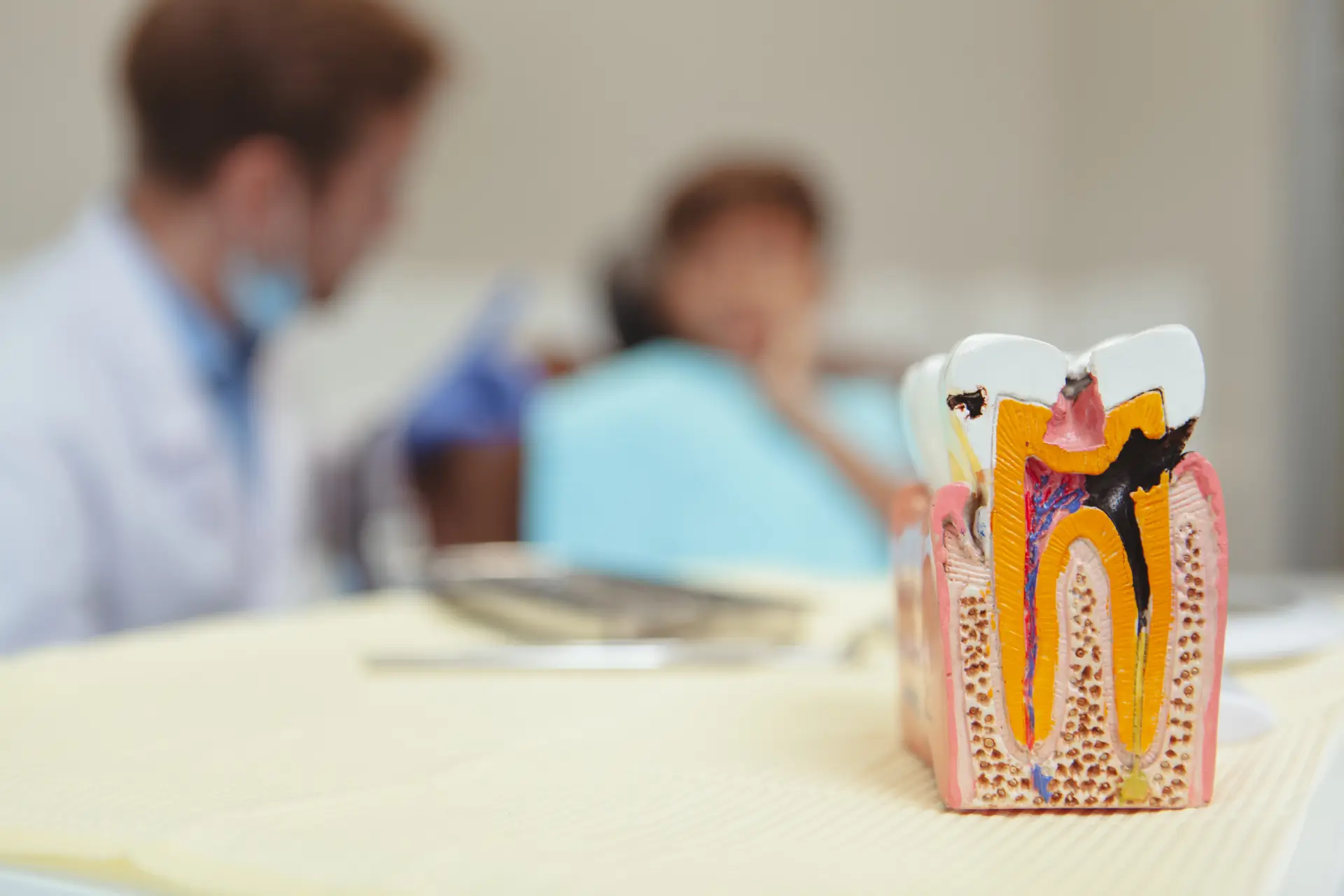
Severe toothache can mean many things. It may come from decay into the nerve, a cracked tooth, gum infection, grinding-related trauma, or food wedged deeply between teeth. The cheapest solution in the next hour is not always the cheapest solution over the next year. That is why a quick diagnosis matters. An exam and X-rays may feel like an extra cost, but they often prevent people from paying for the wrong treatment.
What to do in the first hour
When pain is intense, it helps to have a short plan. The immediate goal is to reduce harm, control symptoms, and buy yourself enough stability to make smart calls.
- Rinse gently with warm salt water and remove any obvious food debris with floss if the pain seems trapped between teeth.
- Use a cold compress on the outside of the face for swelling, about 15 to 20 minutes at a time.
- Take over-the-counter pain medicine only as directed on the label, and avoid putting aspirin directly on the gum, which can burn tissue.
- If a tooth is knocked out, hold it by the crown, not the root, rinse it lightly if dirty, and try to keep it moist in milk or saliva while you seek immediate care.
- If a crown or filling comes out, save the piece if you can and avoid chewing on that side.
Those steps will not solve the underlying problem, but they can prevent it from worsening while you line up care. They also help you explain the situation clearly when you call.
The cheapest mistake is often delay
People often assume that waiting a few days saves money because they avoid the visit fee. Sometimes the opposite happens. A simple filling can become a root canal and crown. A root canal candidate can become an extraction. A cracked tooth with a conservative repair option can split below the gumline and become unrestorable.
I once spoke with a patient who had been nursing a lower molar for months with clove oil and pain relievers. The pain flared on payday, then eased enough that he put it off again. By the time he came in, the infection had drained the budget choices away. What might have been a straightforward filling months earlier became an extraction, antibiotics, missed work, and eventually the added cost of replacing the tooth because chewing shifted to the other side and created new problems. The most expensive dental work is often the treatment you could have avoided with earlier care.
Budget planning in a dental emergency starts with a mindset shift. Your first goal is not to avoid all cost today. It is to avoid turning a manageable bill into a chain of bigger bills.
Where to look when you need care and cash is tight
Price shopping matters, but where you call matters just as much. Emergency dental care is available through private practices, community clinics, dental schools, urgent care centers for limited needs, and hospital emergency departments in certain circumstances.
A private dental office can often see you the fastest and may have the broadest menu of treatment options that same day. The fee may be higher than at a teaching clinic, but not always. Some offices offer a low-cost emergency exam or a new-patient special that includes a limited X-ray. Others will apply part of that exam fee toward treatment if you move forward.
Community health centers and federally qualified health centers can be a strong option if one in your area offers dental services. Availability varies widely, and some focus more on extractions and urgent relief than comprehensive restorative work, but fees may be income-based.
Dental schools are a useful middle ground for patients with some flexibility. Care usually costs less, though appointments can take longer and same-day treatment is not always possible. For true emergencies, many schools run urgent care clinics that can at least diagnose the issue, manage pain, and discuss the next step.
Urgent care medical clinics can help only in specific situations. They may prescribe antibiotics if a dental infection is obvious and you cannot get into a dentist immediately, but they generally do not treat the tooth itself. That means you may still pay twice, once for symptom management and again for definitive dental care. Hospital emergency departments are similar. They are appropriate for swelling that threatens the airway, trauma, uncontrolled bleeding, or signs of a severe spreading infection. They are not usually the least expensive answer for ordinary tooth pain.
What to ask on the phone before you book
A five-minute phone call can save a surprising amount of money. The aim is to find out whether the office can address your specific problem, what the minimum first-visit cost is likely to be, and whether they have any flexibility if you cannot pay all at once.
When you call, describe the problem briefly and specifically. Say when it started, whether there is swelling, whether the tooth is broken or knocked out, whether you have fever, and whether the pain keeps you from sleeping or eating. Then ask what an emergency visit typically includes. Some offices quote only the exam, while others bundle a limited X-ray. That difference matters.
Ask whether they can perform same-day treatment if needed and, if so, what the common price range is for the likely options. No ethical office will guarantee a final treatment fee without examining you, but many can give ballpark numbers. If you suspect a broken tooth, ask the range for a sedative filling, extraction, or crown recementation. If you suspect an abscess, ask about the exam, X-ray, possible drainage, and whether antibiotics are prescribed on site or sent to a pharmacy separately.
It is also reasonable to ask whether they offer payment plans, third-party financing, membership savings plans, cash discounts, or phased treatment. A surprisingly large number of people do not ask because they assume the answer is no. Staff hear these questions every day.
Budget options that can actually help
Not every money-saving idea is worth pursuing in an emergency. Some save real dollars. Others only postpone the bill while increasing risk. These are the options most likely to help without creating bigger problems later.
- Ask about a limited emergency exam rather than a full comprehensive visit if the issue is clearly isolated.
- Request a temporary or stabilizing treatment when appropriate, such as recementing a crown or placing a sedative filling, then schedule definitive care after payday.
- Use a dental school or community clinic if your case is urgent but not life-threatening and you can tolerate a longer appointment flow.
- Explore in-office membership plans if you do not have insurance, because some reduce fees immediately rather than after a waiting period.
- Compare the full cost of saving a tooth versus removing it, including what happens afterward if the missing tooth affects chewing, shifting, or appearance.
That last point deserves more attention. Extraction often looks cheapest on paper because the upfront fee is lower than a root canal and crown. Sometimes extraction is the right call, especially if the tooth is badly broken, the prognosis is poor, or the budget truly cannot support more extensive care. But a missing tooth can carry downstream costs. Opposing teeth may over-erupt, nearby teeth can drift, and chewing forces can shift. If the tooth is in a visible area, the social and professional impact may matter too. There is no universal right answer, only an honest comparison.
Temporary relief versus definitive treatment
One of the most useful budget strategies is understanding the difference between immediate relief and final treatment. Dentists often have ways to stop the spiral without completing the full repair that day.
For example, if a tooth has a deep cavity close to the nerve and the patient cannot afford a root canal and crown immediately, a dentist might remove active decay, place a medication or sedative material, and seal the tooth temporarily. That is not a permanent fix, and it does not work for every case, but it may get the patient out of pain and buy a few weeks.
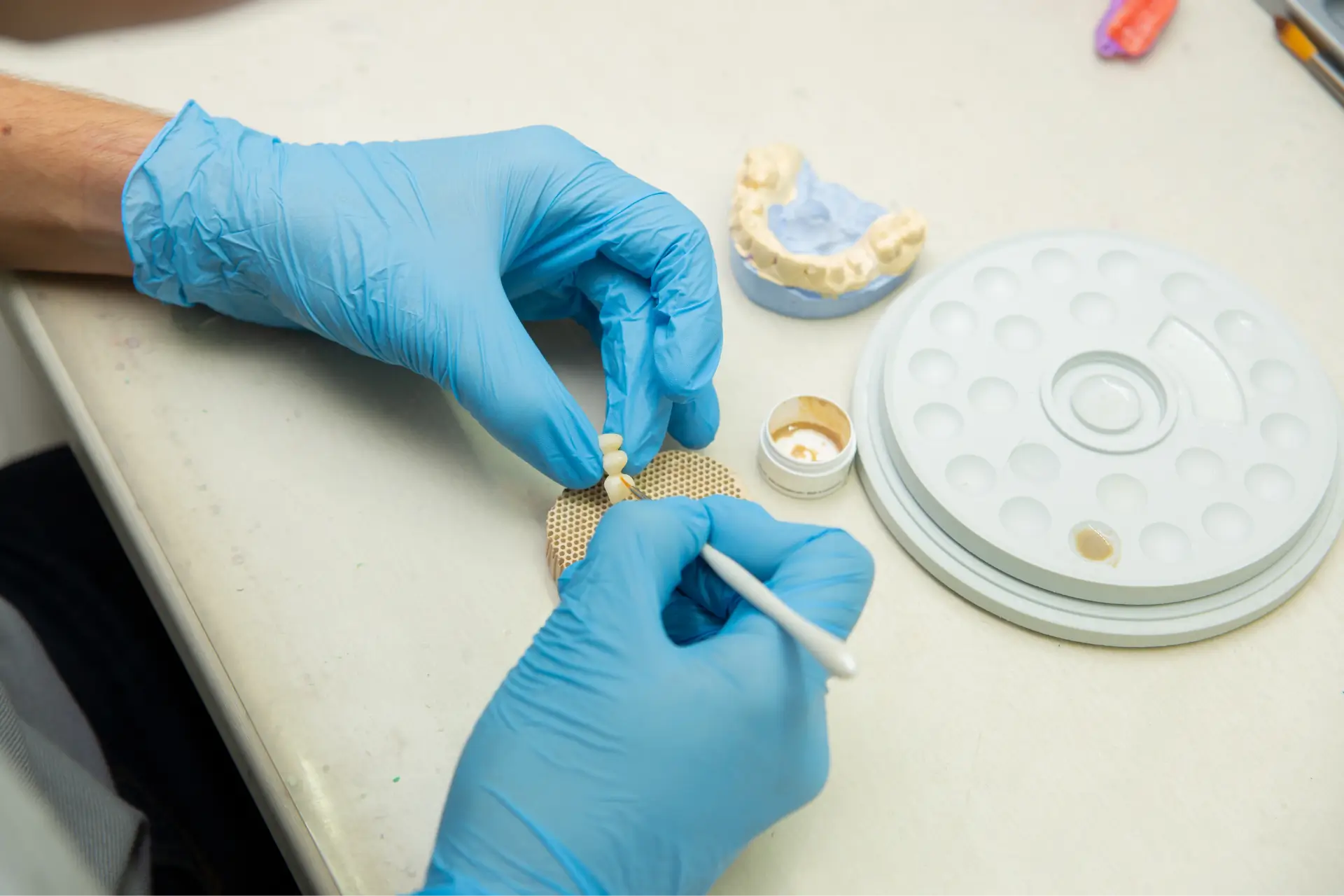
If a crown falls off and the tooth underneath is intact, recementing it can be relatively affordable compared with making a new crown. If a denture cracks cleanly, repair may cost far less than replacement. If a sharp chipped edge is cutting the tongue or cheek, smoothing the tooth can relieve the immediate problem even if a cosmetic repair comes later.
These in-between solutions are where good communication saves money. Tell the office plainly if your budget is limited. Many patients worry that discussing finances will affect their care. In reality, it often helps clinicians tailor options responsibly. Most prefer an honest conversation to a patient who agrees to treatment and then cannot follow through.
When insurance helps, and when it does not
Dental insurance can soften the blow, but during a dental emergency it can also create confusion. Patients Dental Emergency sometimes assume that if a treatment is covered, it must be the best financial choice. Coverage rules do not always line up with clinical urgency.
Annual maximums are often modest. Waiting periods can exclude major work for new enrollees. Some plans cover extractions readily but pay less generously for crowns or root canals. Others reimburse better for preventive and basic care than for urgent restorative treatment. If you already have insurance, ask the office to estimate your out-of-pocket cost, but understand that estimates are not guarantees. Final coverage depends on your plan’s rules.
If you do not have insurance, a discount membership plan offered directly through a dental office can sometimes be more immediately useful than signing up for traditional insurance during a crisis. These plans are not insurance, but they may reduce fees on exams, cleanings, fillings, and some major procedures right away. Terms vary, so read them carefully. A plan is only helpful if the office can actually provide the treatment you need soon.
Be careful with home fixes
There is a difference between first aid and improvisation. Temporary dental cement from a pharmacy can sometimes help with a lost crown or filling until you are seen, but it is not a substitute for evaluation. Clove oil may blunt discomfort briefly, but it does not treat infection. Orthodontic wax can cover a sharp broken edge, but it will not stabilize a cracked tooth. Online advice that involves glue, alcohol, heat, or placing medications directly inside a tooth cavity often makes things worse.
One of the more expensive mistakes is self-medicating with leftover antibiotics. Taking the wrong antibiotic, taking too little, or taking them without draining or treating the source can mask symptoms without resolving the problem. It can also complicate the next visit. Infection control in dentistry usually depends on treating the tooth or gum source, not just swallowing pills.
If the emergency happened because of trauma
A fall, sports injury, or blow to the face changes the equation. Dental trauma can involve more than enamel. Teeth can be displaced, roots fractured, nerves bruised, and surrounding bone damaged. You may also have a lip laceration, jaw pain, or a concussion concern. In those situations, a cheap patch is rarely the right first move.
Even then, there are budget-conscious choices. If the injury is isolated to the teeth and there are no signs of major facial injury, a dentist is often the most direct and cost-effective first stop. If there is loss of consciousness, jaw immobility, significant facial asymmetry, or uncontrolled bleeding, medical evaluation comes first. The key is not to confuse “expensive” with “optional.” Missing the window to splint a displaced tooth or reimplant an avulsed one can permanently narrow your options.
The hidden costs people forget to count
When patients compare quotes, they often focus only on the treatment fee. Real-world affordability is broader. Time off work, transportation, childcare, prescriptions, and the cost of repeat visits all matter.
A lower fee at a clinic across town may still cost more if you lose half a day’s wages twice. A treatment plan spread over many visits may be harder to complete if you rely on public transit or cannot easily leave work. Sedation can be useful, but it adds cost and may require a driver. Even over-the-counter pain medicine and soft foods add up over several days.
This is why the cheapest line item is not always the lowest total cost. A same-day extraction five minutes from home may be more affordable in practice than a lower-fee office that requires multiple long trips. A temporary fix may be a smart bridge, or it may mean paying for two procedures instead of one. Budgeting well means counting the whole burden, not just the fee schedule.
How to talk about money without feeling awkward
Many people would rather discuss almost anything else. Still, a direct, calm conversation often opens options.
Try language like this: “I need to be upfront about my budget. Can you walk me through the most affordable safe options for getting me out of pain today?” That phrasing does two things. It signals that you are not asking for inappropriate shortcuts, and it gives the clinician room to explain trade-offs honestly.
If a recommended treatment is out of reach, ask whether there is a safe staged approach. Ask what must be done now, what can wait two weeks, and what risks come with waiting. Ask whether a temporary restoration would change the prognosis. Ask whether the office offers discounts for paying a portion today and the rest on an agreed schedule. None of this is unusual.
You can also ask for a printed estimate before committing. That gives you a chance to compare options without relying on memory while in pain.
After the emergency, prevent the next expensive surprise
Once the immediate crisis passes, the most budget-friendly move is often basic maintenance. Emergency dentistry is expensive partly because it is unplanned and time-sensitive. Preventive care is usually cheaper, calmer, and easier to schedule around life.
That does not necessarily mean jumping straight into every elective recommendation. It means addressing the reason the emergency happened. If you crack teeth from grinding, a night guard may save money over time. If dry mouth from medication is increasing decay risk, fluoride products and more frequent monitoring can make a difference. If you have several untreated areas, ask which ones are most likely to become painful first and prioritize them.
A patient who can only afford one filling this month and one next month still comes out ahead if those fillings prevent two future weekend emergencies. Budget dentistry works best when it becomes proactive instead of reactive.
A practical way to think about the decision
During a dental emergency, people often ask, “What is the cheapest thing I can do?” A better question is, “What is the lowest-cost option that safely solves the urgent problem without creating a bigger one?” Sometimes that is a simple repair. Sometimes it is an extraction. Sometimes it is a temporary treatment paired with a firm plan for follow-up. Sometimes it is immediate higher-level care because the risk of waiting is too great.
Pain makes Dental Emergency every dollar feel heavier. That is understandable. But the path through a dental emergency on a budget is rarely about finding a magic low price. It is about getting the diagnosis quickly, recognizing danger signs, asking smart financial questions, and choosing treatment with both the next 24 hours and the next 12 months in mind.
If you approach it that way, you are far more likely to protect both your health and your wallet, even when neither has much margin to spare.
Vitality Dental
Address: 1220 Coit Rd #106, Plano, TX 75075
Phone number: +19726454100
FAQ About Dental Emergency
What can the ER do for a tooth?
An emergency room (ER) can manage pain and treat severe infections with medication, but it cannot fix or pull a tooth.
What is considered a dental emergency?
A dental emergency is any oral health problem that involves severe pain, uncontrollable bleeding, or an infection that threatens your health or requires immediate care to save a tooth.
Is there a 24-hour dental service in Plano, TX?
There is no physical dental clinic in Plano, Texas, that stays open with walk-in staff 24 hours a day, but several offices offer 24/7 phone support, late-night hours, or same-day emergency care.